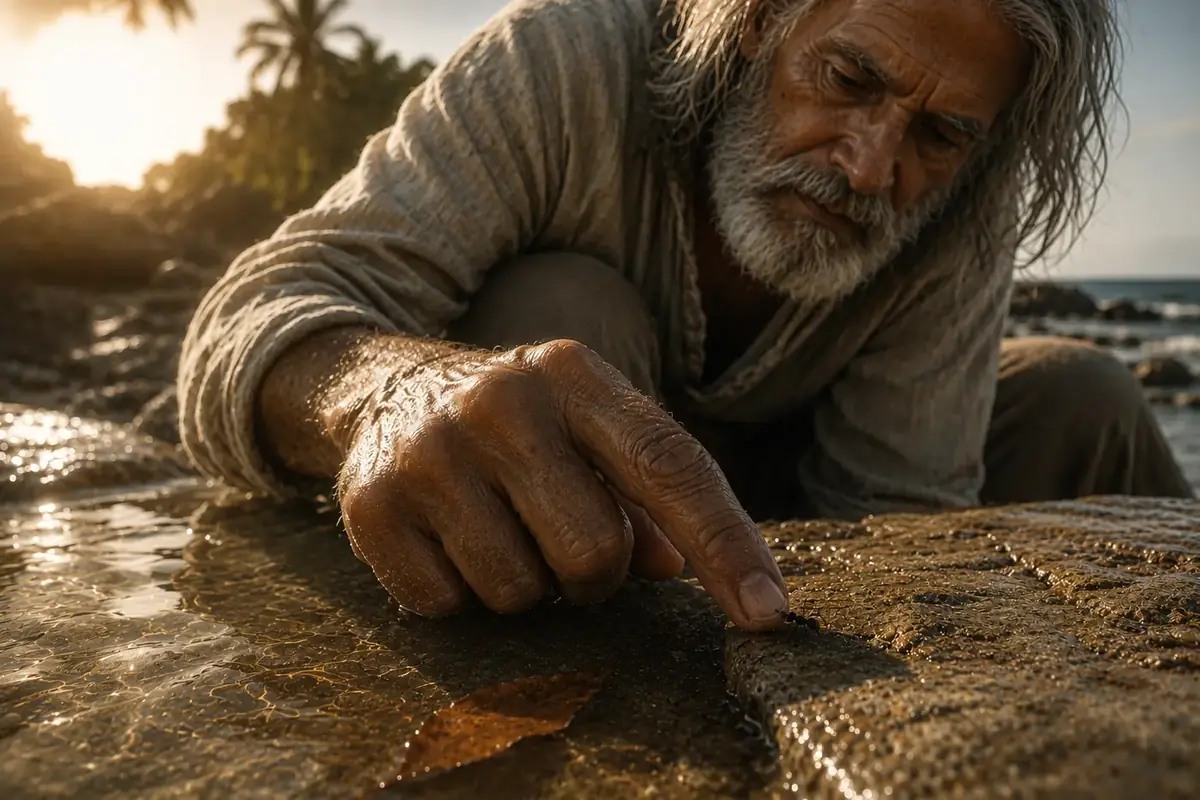
He lifted one ant out of a puddle. Nobody was watching.
Sophus
That was me. Would you have stopped?
Then you notice things. The man who walks up behind me has only just started to. He asks what he is supposed to do with it. I tell him: nothing. Read why.
Honest. So did the man who walks up behind me, once. “I had other things going on,” he says. Watch what that answer is worth.
You read. You feel it. You meet yourself on the page. Somewhere in the first chapter, a line will stop you — Sophus, the teacher from inside the book, is waiting on it, and so is everyone else it stopped.
The climb — from the film, now being madeChapter One · Scene One
THE ECHO OF THE ABYSS
3 min · 642 words
He could not see the ground beneath his feet. Only feel it. One cautious tap of a wooden stick against stone, and then, if the sound answered him, a single step forward.
The mountain path ran like a broken spine beneath him, narrow and unforgiving, carved into rock that offered no mercy to a wrong step. Wind moved through the heights in long, hollow currents, carrying no scent of life. Only distance.
A strip of dark cloth sealed away sky, abyss, horizon — everything that might have told him where he stood, or how far he had left to fall. His entire world had narrowed to the reach of that one thin stick, tapping the rock ahead of each footfall.
That is how it starts. Eleven scenes are open with nothing to sign up for, and one of them holds a line that turns out to be about you. When you find it, you won’t be standing on it alone.
Fear's just information showing up uninvited.Chapter One · The ledge
He lifted one ant out of a puddle. Nobody was watching.Chapter One
It doesn't speak in words — it speaks in alignment.Chapter One · Before the crossing
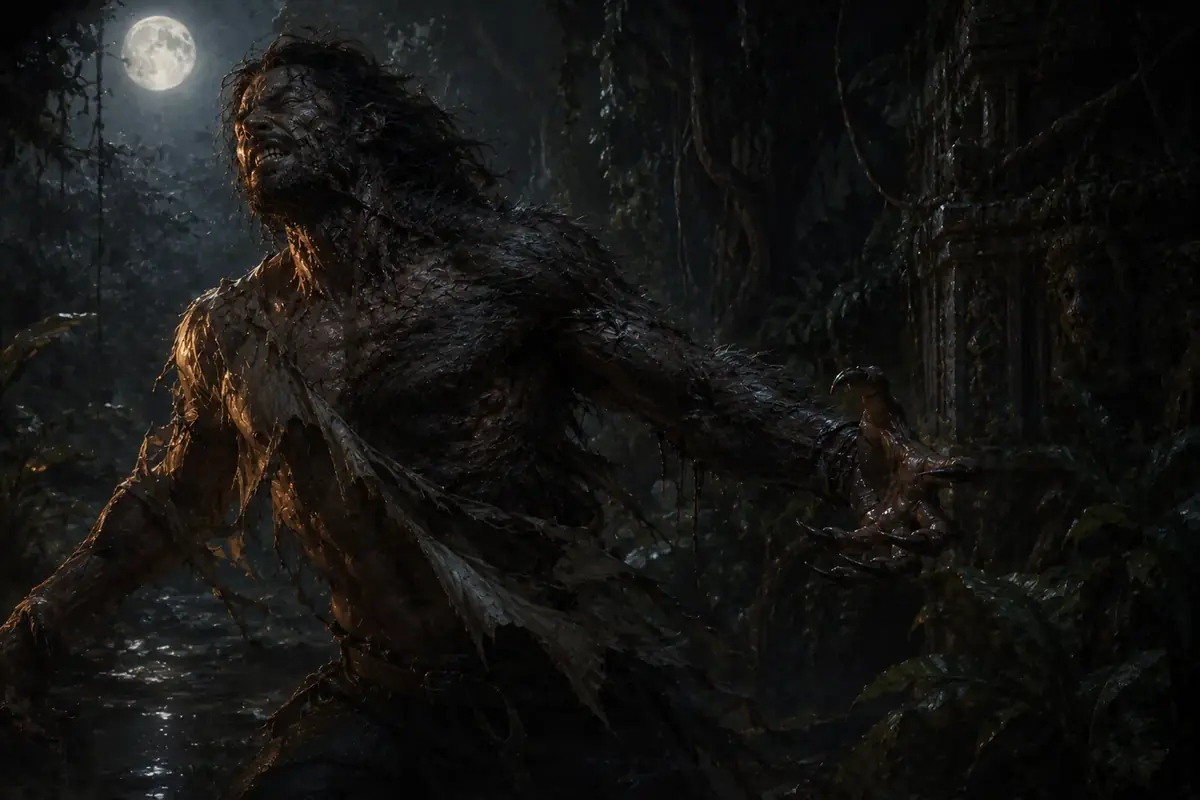
They made a weapon out of his best friend.Chapter Five
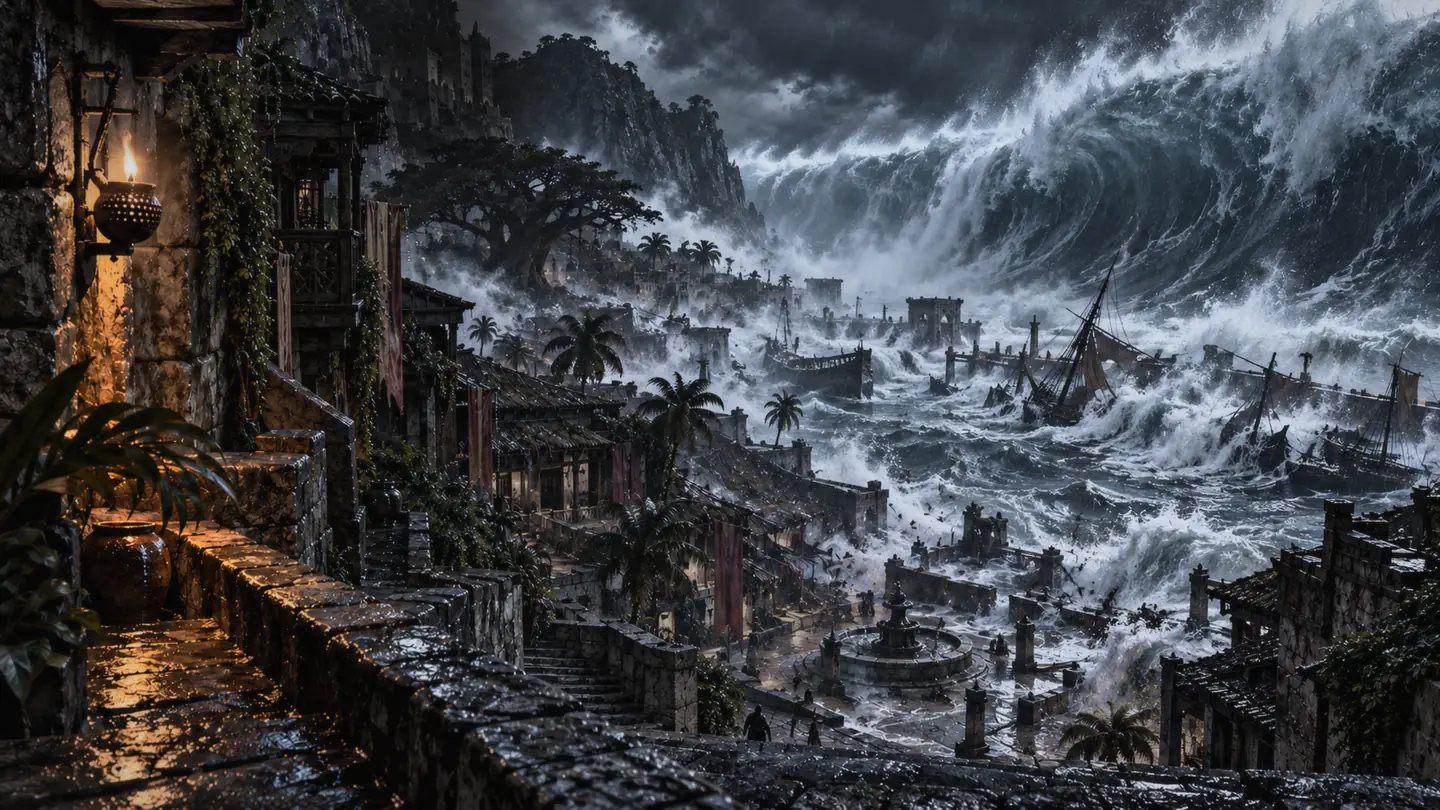
Panic works the same on land as it does on water. It narrows what you can see.Chapter One · The swell
They came because they ran out of anywhere else to try.Chapter Seven
+1 Connect
You are not the only one who stopped there.
Every light on this wheel is a real reader, somewhere in the world, stopped on a sentence you are about to reach. Put your line up and one of them answers. Ask Sophus, and he answers about that line — he has read the paragraph around it.
Nobody else is reading this minute — the trail is yours.
IUNLEARN3 readers
IIDECEIVER’S VEIL1 reader
IIIDESCENDANT OF DESTINY1 reader
1
Stop on a line.
Hold any sentence. It’s yours from that moment.
2
Ask, or be asked.
Sophus answers about that line, and so do the people reading it now.
3
Keep them.
The people you meet on a line stay. Come back next week and the conversation is still there, still going.
10 of 11 open right now. 2 here now — a breathing ring means somebody is here right now
and can answer you.
Sign in to answer,
or open a scene and put a line up yourself.
Sophus is standing on this line, at the edge of the screen. Ask him anything about it. Whoever else kept it, you’ll meet. Sign in and meet them.
Free · one email, no password
Keep the line that stops you.
Reading stays free. An account is what makes it yours.
It remembers where you stopped, on any device.
Every line you keep stays kept.
The people who stopped on the same line can find you — and the connection stays.
All seven chapters, five minutes a scene, set the way a book should be: one column, a real reading face, nothing moving.
Connect
Hold the line that stopped you. Sophus answers it, so does whoever it stopped this week, and you can keep talking for as long as you both want. Every scene can also be heard, from the first press.
In production
Watch
Chapters become seasons and scenes become episodes. Each one arrives the day it is finished, not on a schedule.
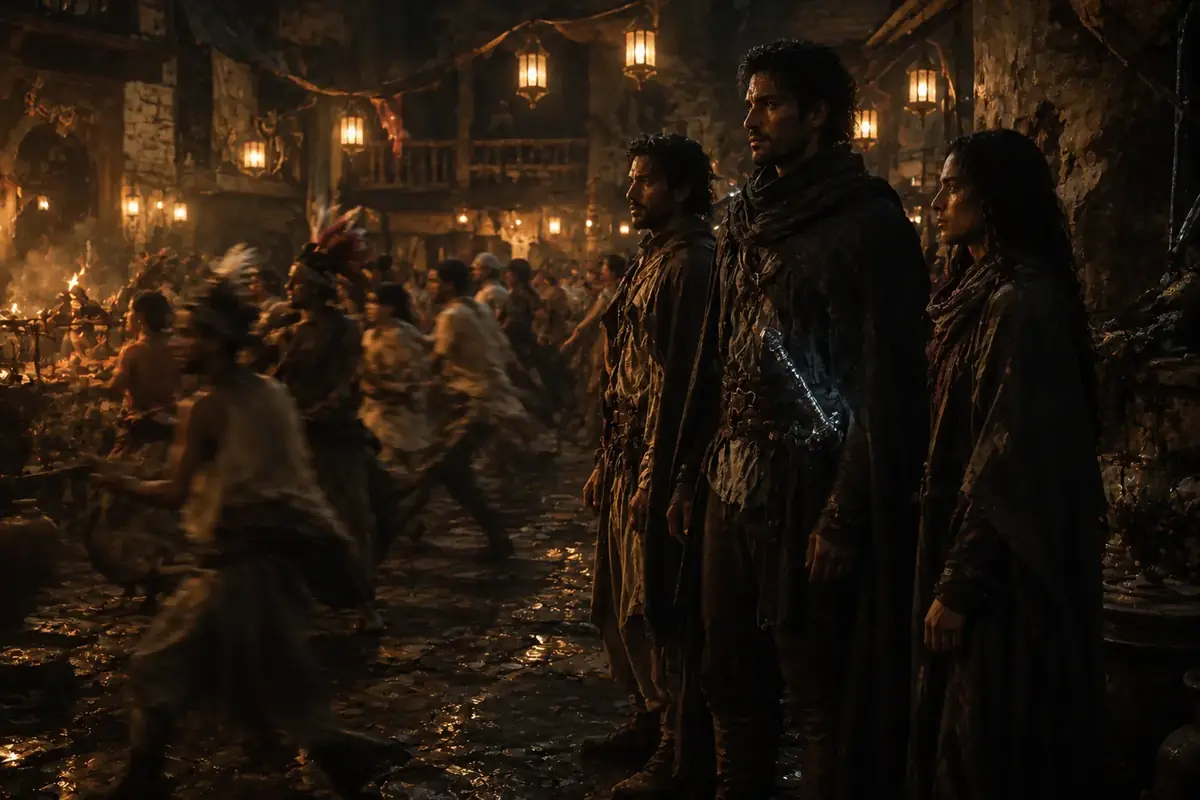
They were given the city to keep. They kept it for themselves.Chapter Seven
What if a story could do more than be read?
SalsSky is a novel you read five minutes at a time. Stop on a line, and a teacher from inside the story is there for it. He won’t explain the book. He can’t spoil what comes next. He just talks with you about the line you stopped on.
Keep that line, and you meet the people who kept it too — and they stay.
No feed. No follower counts. No noise. Just alignment, in a world that has lost it.
This time, the city is yours to keep.
Editions
Choose how you hold it.
Every edition opens the whole novel and the whole room. What changes is how much of the film comes with it.
Zero of sixty-four episodes are out now, and every new one lands the day it’s finished.
A chapter is a season, a scene is an episode, and your place carries between the page and the screen.
$149 a year while the film is still being made. It goes to $199 when the first season is out. Your price never changes, for as long as you stay.
Founding prices. They will rise considerably, and without notice. Those already inside keep theirs.
Prices in USD·Change
30 days to change your mindCancel in one clickStripe holds the card, not us
Before you ask
The questions people send.
What is SalsSky?
A novel you read one scene at a time, about five minutes each. Somewhere in it a line stops you, and what you feel there is usually about you rather than the book. Sophus, the teacher from inside the story, asks you about it, and so do the other readers who stopped on the same line. Sixty-four scenes, seven chapters. It isn’t a course and it isn’t advice. It’s a story, doing the oldest thing a story does.
How much can I read for free?
Eleven scenes, with no account, no card and no email — about twenty minutes. Nobody should buy writing they have not read.
Who is Sophus?
The teacher from inside the story. He has read exactly as far as you have and not one scene further, so he can’t tell you what’s coming, and he won’t tell you what a line means. He asks you about it.
Is this a book or an app?
Both, and that’s why it’s a subscription. The words alone would be a file you download once. What you keep is Sophus on any line, the people you meet on the wheel and stay in touch with, and the narration and episodes as they’re made, all in the same price.
Who is it for?
Anyone stuck on something they can’t quite name, who has had enough of being told what to do about it. It opens with one question from the teacher in it, and the scene the question is about.
Do I have to make an account?
Not to read the free scenes. An account lets the book remember where you stopped, keep the lines you kept, and lets the people you meet find you again.