
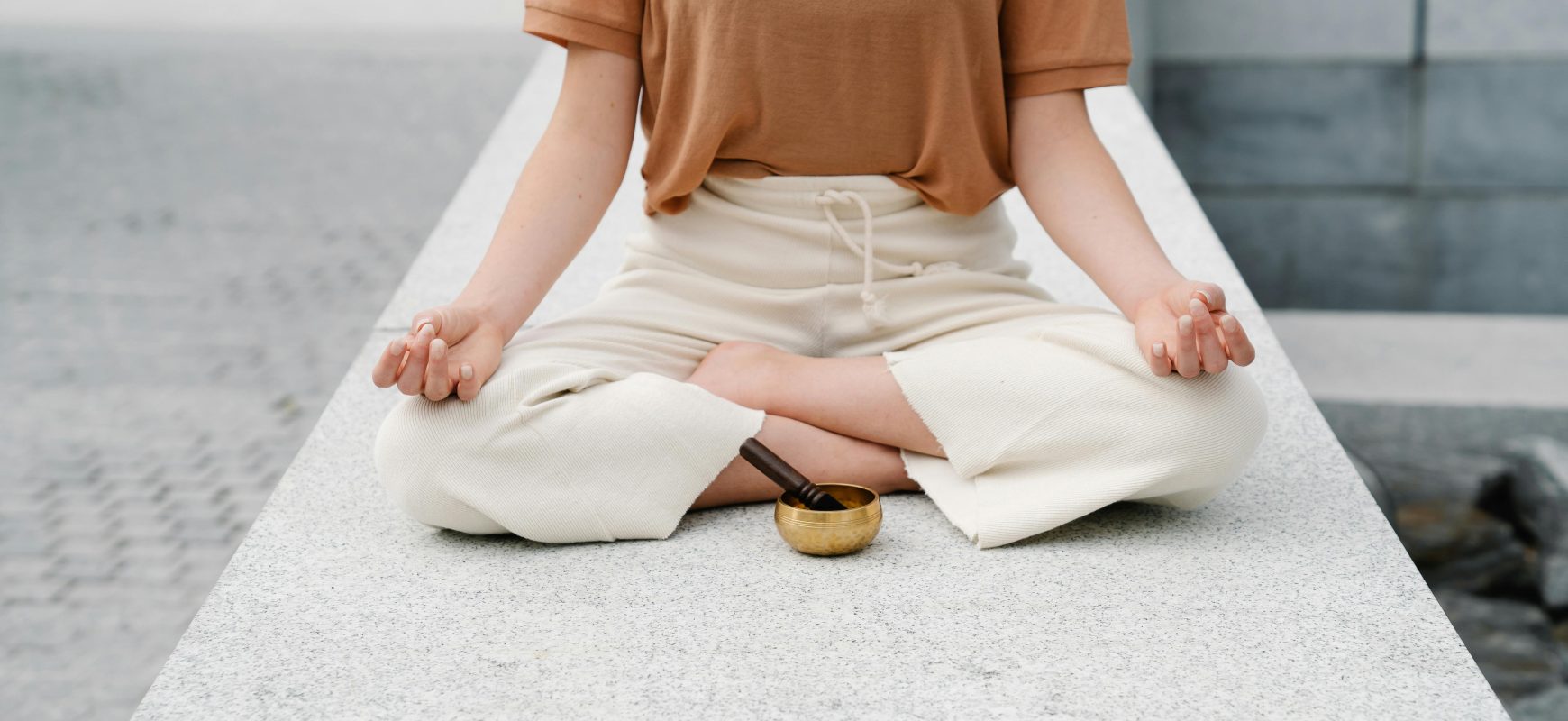
What Are Meditation Techniques?
Meditation techniques are structured mental practices that train your attention, awareness, and emotional regulation. Each technique uses a different method breath, movement, sound, visualisation, or observation to help the mind settle, focus, or expand. Unlike general relaxation, meditation techniques produce measurable changes in brain structure, stress hormones, and emotional resilience when practiced consistently.
Who Is This Guide For?
This guide is for you if:
- You have tried meditation before and felt like you were doing it wrong
- You want to know which technique is right for your specific situation
- You are dealing with anxiety, poor focus, emotional exhaustion, or chronic stress
- You are ready to build a practice that actually lasts beyond day three
Do Meditation Techniques Really Work?
Yes and the science is specific. A landmark study from Harvard Medical School found that eight weeks of consistent meditation practice physically changed the structure of the brain, increasing grey matter density in regions responsible for attention, self-awareness, and compassion. A separate review of over 200 studies published in JAMA Internal Medicine confirmed that meditation techniques significantly reduce symptoms of anxiety, depression, and pain.
This is not wellness marketing. These are peer-reviewed, reproducible results.
The reason most people do not experience these benefits is not that meditation fails. It is that they chose the wrong technique for their current state or they gave up before the practice had time to take root.
At SalsSky, the understanding goes further than technique alone. Inner transformation is not just about calming the mind it is about returning to the version of yourself that existed before the noise of the world told you who to be.
How Long Does It Take for Meditation to Work?
Most people notice a difference in mood and mental clarity within 7 to 10 days of daily practice. Structural brain changes become measurable at the 8-week mark. Deep psychological shifts changes in how you relate to your thoughts, emotions, and identity typically emerge between 3 and 6 months of consistent practice.
The key word is consistent. Ten minutes every day produces more lasting change than one hour once a week.
Which Meditation Technique Is Best for You?
It depends on what your mind and body are asking for right now:
- Anxious or overwhelmed — start with Box Breathing (Technique 2)
- Scattered and unfocused — start with Single-Point Focus (Technique 1)
- Emotionally numb or disconnected — start with Body Scan (Technique 4)
- Negative self-talk or low self-worth — start with Loving-Kindness (Technique 6)
- Time-poor and stressed — start with Micro Meditation (Technique 9)
- Ready to go deeper — start with Vipassana (Technique 5)
- Creative block or low inspiration — start with Open Awareness (Technique 7)
10 Meditation Techniques — With Simple Steps to Start Each One
- Single-Point Focus Meditation
What it is: A concentration-based practice where you place your complete attention on one object usually the breath and return to it every time the mind wanders.
Who it is for: Beginners, people with low attention span, anyone building a foundational meditation practice.
What the science says: Harvard Medical School research confirmed that eight weeks of this practice increases cortical thickness in the prefrontal cortex the brain region responsible for focus, planning, and emotional regulation.
How to do it:
- Sit comfortably with your spine upright
- Close your eyes and bring attention to the sensation of breath at your nostrils
- When your mind wanders and it will simply notice it and return to the breath without judgment
- Start with 10 minutes and build gradually
The most important thing to understand about this technique is that the moment of noticing your mind has wandered and choosing to return is not a failure. It is the exercise. Every return strengthens the attention muscle.
- Box Breathing
What it is: A structured breathing pattern — inhale for 4 counts, hold for 4, exhale for 4, hold for 4 — that directly regulates the nervous system.
Who it is for: Anyone dealing with acute stress, anxiety, anger, or pre-performance nerves.
What the science says: Box breathing activates the parasympathetic nervous system through vagus nerve stimulation, producing measurable reductions in cortisol within 90 seconds. It is used as a standard protocol by the US Navy SEALs and emergency medical teams.
How to do it:
- Sit or stand with your spine straight
- Inhale slowly through your nose for 4 counts
- Hold your breath for 4 counts
- Exhale completely through your mouth for 4 counts
- Hold empty for 4 counts
- Repeat for 5 to 10 cycles
Unlike most meditation techniques that build results over weeks, box breathing works the first time. Use it before any difficult conversation, presentation, or moment of reactive emotion.
- Mantra-Based Meditation
What it is: The silent repetition of a word or phrase in rhythm with the breath, giving the conscious mind an anchor while deeper awareness settles.
Who it is for: People with highly active minds, those who find silence uncomfortable, anyone drawn to a more structured internal focus.
What the science says: Transcendental Meditation, the most researched form of mantra-based practice, has over 600 peer-reviewed studies documenting benefits including reduced blood pressure, lower anxiety, and improved cardiovascular health.
How to do it:
- Choose a simple two-syllable word peace, release, or I am here all work
- Sit comfortably and close your eyes
- Begin repeating the word silently in rhythm with your breath
- When thoughts arise, let them pass without engaging and return to the mantra
- Practice for 15 to 20 minutes
The mantra does not need to be Sanskrit or spiritually significant. What matters is consistency and the willingness to keep returning to it.
- Body Scan Meditation
What it is: A slow, deliberate practice of placing attention on each part of the body from head to toe, noticing sensation without trying to change anything.
Who it is for: People who live predominantly in their heads, those experiencing chronic tension or physical stress symptoms, anyone recovering from burnout.
What the science says: Body scan meditation builds interoception the ability to accurately sense internal body states. Research from the University of California found that low interoceptive awareness is directly linked to anxiety disorders, emotional dysregulation, and difficulty making decisions.
How to do it:
- Lie flat on your back in a quiet space
- Begin at the crown of your head and move slowly downward
- Give each area — scalp, jaw, neck, shoulders, chest, arms, belly, hips, legs, feet approximately 30 seconds of attention
- Notice whatever is present: tension, warmth, numbness, tingling
- Do not try to fix or release anything — only observe
If you fall asleep during the body scan, that is useful information. Your body was more exhausted than your mind had admitted.
- Vipassana — Insight Meditation
What it is: One of the oldest surviving meditation techniques in the world. You observe the impermanent nature of thoughts, sensations, and emotions without identification or reaction.
Who it is for: Intermediate to advanced practitioners ready to move beyond stress relief into genuine self-understanding.
What the science says: A 2018 study published in Psychological Science found that Vipassana practitioners showed significantly reduced implicit bias and emotional reactivity compared to control groups suggesting the practice changes not just how people feel, but how they perceive and respond to the world.
How to do it:
- Begin with 10 minutes of single-point breath focus to settle the mind
- Gradually open your awareness to include all arising experiences sounds, thoughts, physical sensations, emotions
- Observe each experience as it arises and passes without labelling it as good or bad
- Notice the impermanent nature of every experience nothing stays
- Build gradually to 30 to 45 minute sessions
This is not a technique to rush. A solid foundation in focused attention practice makes Vipassana significantly more accessible and productive.
- Loving-Kindness Meditation (Metta)
What it is: A heart-centred practice that cultivates genuine warmth toward yourself and others through silent phrases of goodwill.
Who it is for: People experiencing loneliness, resentment, harsh self-criticism, or relationship difficulty.
What the science says: Stanford University’s Center for Compassion Research found that six weeks of loving-kindness practice significantly increased feelings of social connection, positive emotion, and self-compassion — even in people who described themselves as emotionally closed off.
How to do it:
- Begin with yourself: silently repeat may I be happy, may I be well, may I be at peace
- Sit with each phrase until you feel even a small genuine warmth do not rush
- Extend the same wish to someone you love easily
- Then to a neutral person a neighbour, a colleague you rarely think about
- Finally, extend it toward someone with whom you have difficulty
The challenge of this technique is that it asks for genuine feeling, not performance. Start with yourself and stay there until something real opens even slightly.
- Open Awareness Meditation
What it is: Rather than fixing attention on one point, you become aware of awareness itself a spacious, observant presence in which all experiences arise and pass.
Who it is for: Those who have built a foundation in concentration practice and are ready to expand their experience of meditation.
What the science says: Open monitoring meditation, as it is known in neuroscience research, has been associated with increased default mode network regulation meaning practitioners are less prone to rumination, self-referential worry, and repetitive negative thinking.
How to do it:
- Begin with 5 minutes of focused breath attention to settle the mind
- Gradually release the breath as your primary object
- Allow your awareness to become the container for all experience sounds, sensations, thoughts without following any single one
- If you get pulled into thinking, return briefly to the breath and open again
- Practice for 15 to 20 minutes
A useful image for this technique: you are the sky. Thoughts, emotions, and sensations are weather. Weather passes. The sky remains.
- Walking Meditation
What it is: A movement-based practice that brings complete meditative attention to the physical act of walking each step, weight shift, and foot placement noticed with full awareness.
Who it is for: People who struggle to sit still, those dealing with physical restlessness, anyone wanting to extend mindfulness into daily activity.
What the science says: A 2019 study in Health Promotion and Chronic Disease Prevention found that mindful walking significantly reduced depression scores and improved psychological wellbeing in participants who had not responded well to seated meditation techniques.
How to do it:
- Find a quiet path approximately 10 to 20 steps long
- Walk slowly and deliberately, noticing the heel lifting, the foot moving forward, the heel meeting the ground
- When your mind wanders to planning or commentary, return attention to the physical sensation of the step
- Turn around at the end of the path and continue
- Practice for 10 to 20 minutes with no destination and no phone
Walking meditation is particularly effective when combined with a seated practice 10 minutes walking, followed by 10 minutes seated, covers both the body and the mind.
- Micro Meditation — The 2-Minute Reset
What it is: A brief, structured interruption to accumulated stress that can be practiced anywhere, at any point during the day, without preparation or equipment.
Who it is for: Time-poor professionals, parents, anyone whose schedule makes a formal sitting practice feel impossible.
What the science says: Research from Carnegie Mellon University found that even brief mindfulness interventions of 2 to 3 minutes reduce cortisol reactivity and improve cognitive performance in high-pressure environments.
How to do it:
- Stop what you are doing completely — even for just 2 minutes
- Close your eyes or soften your gaze downward
- Take three slow deliberate breaths — inhale fully, exhale completely
- Notice five physical sensations in your body without labelling them as comfortable or uncomfortable
- Open your eyes and continue with your day
Done consistently 3 to 5 times throughout the day, micro meditation prevents the accumulation of stress that leads to overwhelm. It is not a replacement for deeper practice — but it is far more powerful than waiting for perfect conditions that never arrive.
- Visualisation Meditation
What it is: A practice that uses detailed mental imagery to produce real neurological and emotional states — calm, confidence, clarity, or readiness.
Who it is for: Creative professionals, athletes, anyone preparing for high-stakes situations, those working on long-term personal transformation.
What the science says: Neuroscience research from the Cleveland Clinic found that mental imagery activates the same motor and sensory pathways as physical experience. This is why elite athletes use visualisation as a core performance tool the brain cannot fully distinguish between a vividly imagined event and a real one.
How to do it:
- Sit comfortably and regulate your breath for 2 to 3 minutes
- Close your eyes and construct a detailed inner scene — a place of peace, a version of yourself handling a challenge with complete clarity, or a specific future moment you are working toward
- Engage all five senses within the visualisation — what you see, hear, feel, smell, and sense in your body
- Stay in the scene for 10 to 15 minutes, returning to it each time the mind wanders
- Open your eyes slowly and sit quietly for one minute before continuing
Use visualisation meditation before any significant challenge, creative project, or decision that requires your best thinking.
How Do You Build a Meditation Practice That Actually Lasts?
Most meditation practices fail not because the technique is wrong but because the approach to building the habit is unsustainable. Here is what actually works:
- Choose one technique and practice it daily for 30 days before adding another
- Start with 10 minutes, not 30 — consistency matters more than duration
- Practice at the same time every day to reduce decision fatigue
- Do not judge sessions as good or bad — restless sessions build as much as calm ones
- Track your practice with a simple tick in a notebook — the visual record matters psychologically
- Expect resistance, especially in weeks two and three — this is where most people quit and where the real work begins
Depth beats variety every single time. One technique practiced daily for a month will change you more than ten techniques sampled casually over a year.
Your Mind Is Ready. Is the Rest of You?
Meditation techniques give you the tools to quiet the noise. But most people discover something unexpected after a few weeks of consistent practice the quiet reveals questions they had been too busy to hear. Who am I beneath all of this? What do I actually want? Why does the life I have built still feel like it belongs to someone else?
Those questions deserve more than a breathing exercise.
If you are ready to go beyond stress relief and into genuine self-understanding the kind that changes not just how you feel but how you live, how you lead, and who you are becoming then your next step is waiting.
Begin Your Ascendancy and join thousands of people across 40 countries who have used the SalsSky journey to return to the version of themselves that was always there beneath the roles, the pressure, and the noise. One read. One decision. Everything shifts.

01 Comment
[…] Read More: 10 Meditation Techniques That Actually Work The Complete Guide for Beginners and Beyond […]