
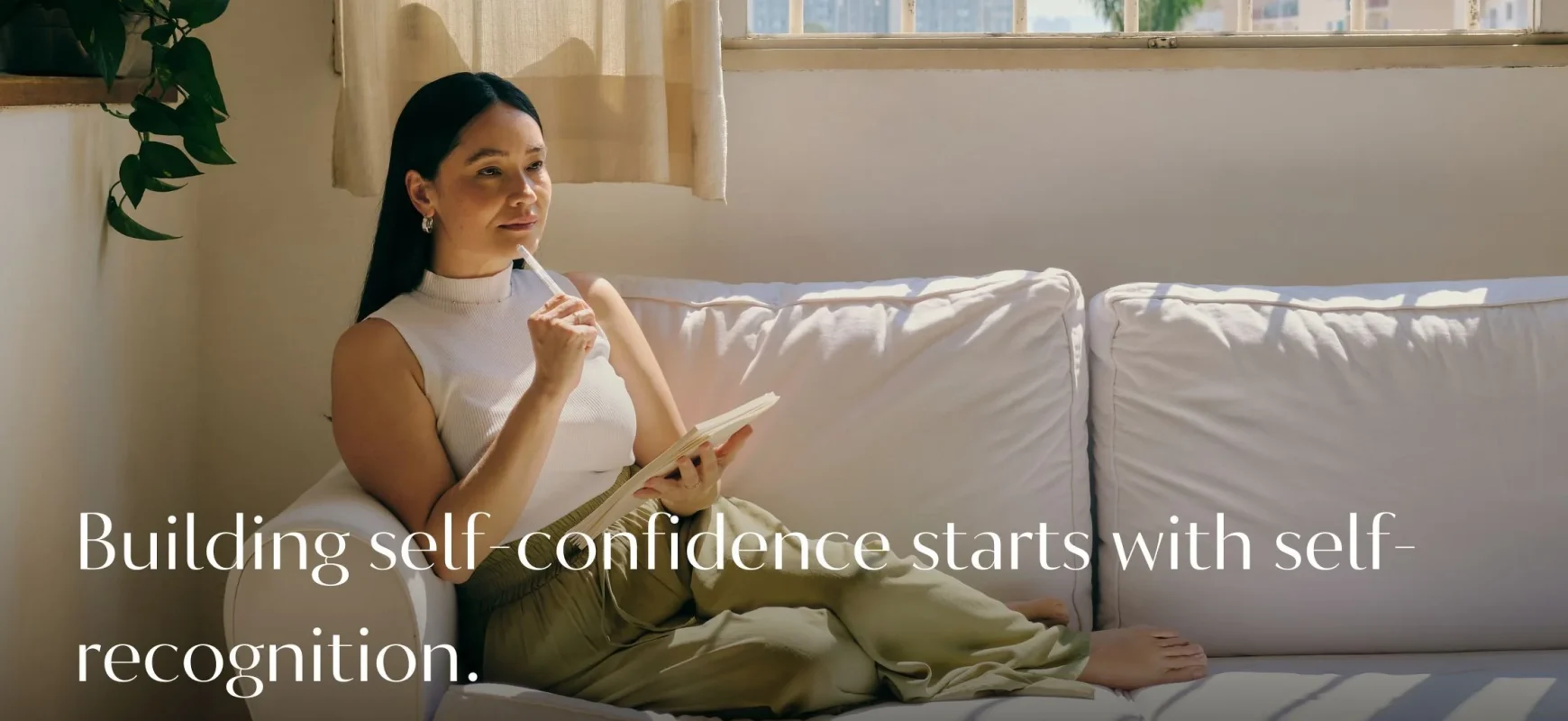
Many people spend their lives trying to gain approval from others without even realizing it. They look for compliments, reassurance, praise, or attention to feel valued. While appreciation from others is natural, depending on it for happiness can become emotionally exhausting. Learning how to stop seeking validation is one of the most important steps toward emotional freedom and self-confidence.
Validation-seeking behavior often develops slowly. It can begin with wanting acceptance from friends, family, or society and later turn into a constant need for approval. Over time, this habit can affect confidence, relationships, mental health, and personal growth. The good news is that anyone can break this cycle by building stronger self-awareness and inner confidence.
Understanding how to stop seeking validation does not mean ignoring everyone’s opinions completely. Instead, it means learning how to trust yourself without needing constant reassurance from others.
What Does Seeking Validation Really Mean?
Seeking validation means relying on external approval to feel worthy, accepted, or confident. Instead of trusting your own judgment, emotions, or decisions, you depend on how other people react to you.
This behavior can appear in many ways, including:
- Constantly asking for reassurance
- Feeling upset when ignored
- Wanting praise for every achievement
- Overthinking what others think about you
- Changing your personality to fit in
- Seeking attention on social media
- Feeling insecure after criticism
People who struggle with validation often tie their self-worth to external reactions. If they receive praise, they feel confident. If they face criticism or rejection, they feel worthless. Learning how to stop seeking validation helps create emotional balance and inner peace.
Why Do People Seek Validation?
There are many emotional and psychological reasons behind validation-seeking behavior. Understanding the root cause can make personal growth easier.
Childhood Conditioning
Many people grow up believing love and acceptance must be earned through achievements or good behavior. Children who receive attention only when they perform well may develop a deep need for approval as adults.
Fear of Rejection
Humans naturally want connection and belonging. Some people fear rejection so strongly that they constantly seek reassurance to feel accepted.
Low Self-Esteem
When people lack self-confidence, they often depend on others to tell them they are good enough. External praise temporarily fills emotional insecurity.
Social Media Influence
Modern social media platforms increase comparison and attention-seeking habits. Likes, comments, and followers create a false sense of self-worth for many individuals.
Toxic Relationships
Being surrounded by highly critical or emotionally manipulative people can increase insecurity and the need for validation.
Understanding these reasons is an essential step in learning how to stop seeking validation and developing healthier emotional habits.
Signs You Are Constantly Seeking Validation
Many people seek validation without recognizing the behavior. Here are some common signs:
- You feel anxious when someone disagrees with you
- You constantly need compliments to feel confident
- Criticism affects you deeply
- You avoid expressing your true opinions
- You fear disappointing others
- You compare yourself to others regularly
- You check social media notifications repeatedly
- You struggle to make decisions independently
- You feel uncomfortable when not receiving attention
If these behaviors feel familiar, it may be time to focus on building internal confidence instead of depending on external approval.
How to Stop Seeking Validation
Learning how to stop seeking validation requires consistent effort and emotional awareness. These practical steps can help you develop stronger self-worth and confidence.
1. Develop Self-Awareness
The first step is becoming aware of when you seek approval. Pay attention to situations where you feel insecure or emotionally dependent on someone else’s opinion.
Ask yourself:
- Why do I need approval right now?
- What happens if nobody praises me?
- Am I changing myself to impress others?
Self-awareness helps you recognize unhealthy patterns before they control your emotions.
2. Practice Self-Validation
One of the best ways to learn how to stop seeking validation is by validating yourself. Instead of waiting for others to recognize your worth, start appreciating yourself internally.
You can practice self-validation by:
- Celebrating small achievements
- Acknowledging your hard work
- Accepting your emotions without judgment
- Reminding yourself of your strengths
- Keeping a gratitude journal
Self-validation creates emotional stability because your confidence no longer depends entirely on outside opinions.
3. Stop Comparing Yourself to Others
Comparison is one of the biggest reasons people feel insecure. Social media often shows only the best parts of people’s lives, creating unrealistic expectations.
Remember:
- Everyone has struggles you cannot see
- Success looks different for everyone
- Your journey is unique
Reducing comparison is a major step in understanding how to stop seeking validation and building genuine self-confidence.
4. Learn to Enjoy Solitude
People who constantly seek validation often fear being alone because silence forces them to face their thoughts and insecurities. Spending time alone can strengthen emotional independence.
Activities that help include:
- Reading
- Journaling
- Meditation
- Exercise
- Learning new skills
- Nature walks
Being comfortable alone teaches you that your happiness does not always need external attention or approval.
5. Set Healthy Boundaries
People-pleasing behavior often comes from wanting validation. Saying yes to everything may gain temporary approval, but it can damage your mental health.
Healthy boundaries include:
- Saying no without guilt
- Protecting your energy
- Avoiding toxic relationships
- Expressing your opinions honestly
Understanding how to stop seeking validation means accepting that not everyone will approve of your decisions.
6. Accept Criticism Without Losing Confidence
Criticism is part of life. No matter how good you are, someone will disagree with you. Emotionally strong people understand that criticism does not define their worth.
Instead of taking criticism personally:
- Listen objectively
- Learn when feedback is useful
- Ignore unnecessary negativity
- Stay focused on growth
Confidence becomes stronger when it is based on self-trust rather than public approval.
7. Build Confidence Through Action
Real confidence develops through experience, discipline, and growth. The more you challenge yourself, the less dependent you become on validation.
Focus on:
- Learning new skills
- Improving your health
- Setting personal goals
- Building financial independence
- Developing emotional intelligence
Action creates self-respect, and self-respect reduces the need for constant reassurance.
8. Create Your Own Definition of Success
Society often pressures people to follow certain standards of success, beauty, relationships, or lifestyle. Constantly trying to meet these expectations increases validation-seeking behavior.
Ask yourself:
- What truly matters to me?
- What kind of life makes me happy?
- Am I living for myself or others?
Creating personal values helps you make decisions based on your own happiness instead of public approval.
The Emotional Benefits of Stopping Validation-Seeking
Once you understand how to stop seeking validation, your mindset begins to change positively.
Better Mental Health
You experience less anxiety, stress, and emotional pressure because your happiness no longer depends entirely on others.
Stronger Self-Confidence
You trust your own decisions and become emotionally independent.
Healthier Relationships
Relationships improve because they become more genuine and less dependent on approval or attention.
Greater Inner Peace
You stop overthinking what people think about you and focus more on personal happiness.
More Authentic Living
You feel free to express yourself honestly without fear of judgment.
Final Thoughts
Learning how to stop seeking validation is a journey that takes patience and self-awareness. External approval may feel comforting for a moment, but lasting confidence comes from within. The more you trust yourself, accept your imperfections, and focus on personal growth, the less dependent you become on other people’s opinions.
Your worth is not determined by social media likes, compliments, or approval from others. Real confidence comes from knowing who you are, respecting yourself, and living according to your own values. Once you stop chasing validation, you create space for true happiness, emotional freedom, and inner peace.